

The best time to start optimizing for AI visibility was ten years ago.
The second best time is right now.
Wait… What? LOL…
How could we do it 10 years ago when AI didn’t exist?!
Ah. Great question.
You shouldn’t have been trying to manipulate Google for the last 10 years. You should have been creating content for your audience, where your audience was and doing everything possible to distribute that story EVERYWHERE.
So yeah….
I mean 10 years ago very literally…
The brands winning the citation game in ChatGPT, Perplexity, and Google AI Overviews today are mostly winning because of content decisions made years ago.
SEO investments. Community presence. Review profiles. All of it built long before anyone used the phrase “generative engine optimization.”
Here’s what nobody is saying loudly enough:
Most of the work that goes into LLM visibility isn’t new. It’s years of digital distribution. It’s the stuff a lot of companies have always been too busy to do consistently but that some of the best companies have embraced since day one. The companies that did the work are getting cited by AI systems at scale…
The companies that didn’t are scrambling.
Let’s break down what’s happening, what the data says, and where opportunity still exists for those playing catch up…
The Biggest LLM You’re Ignoring Is Google
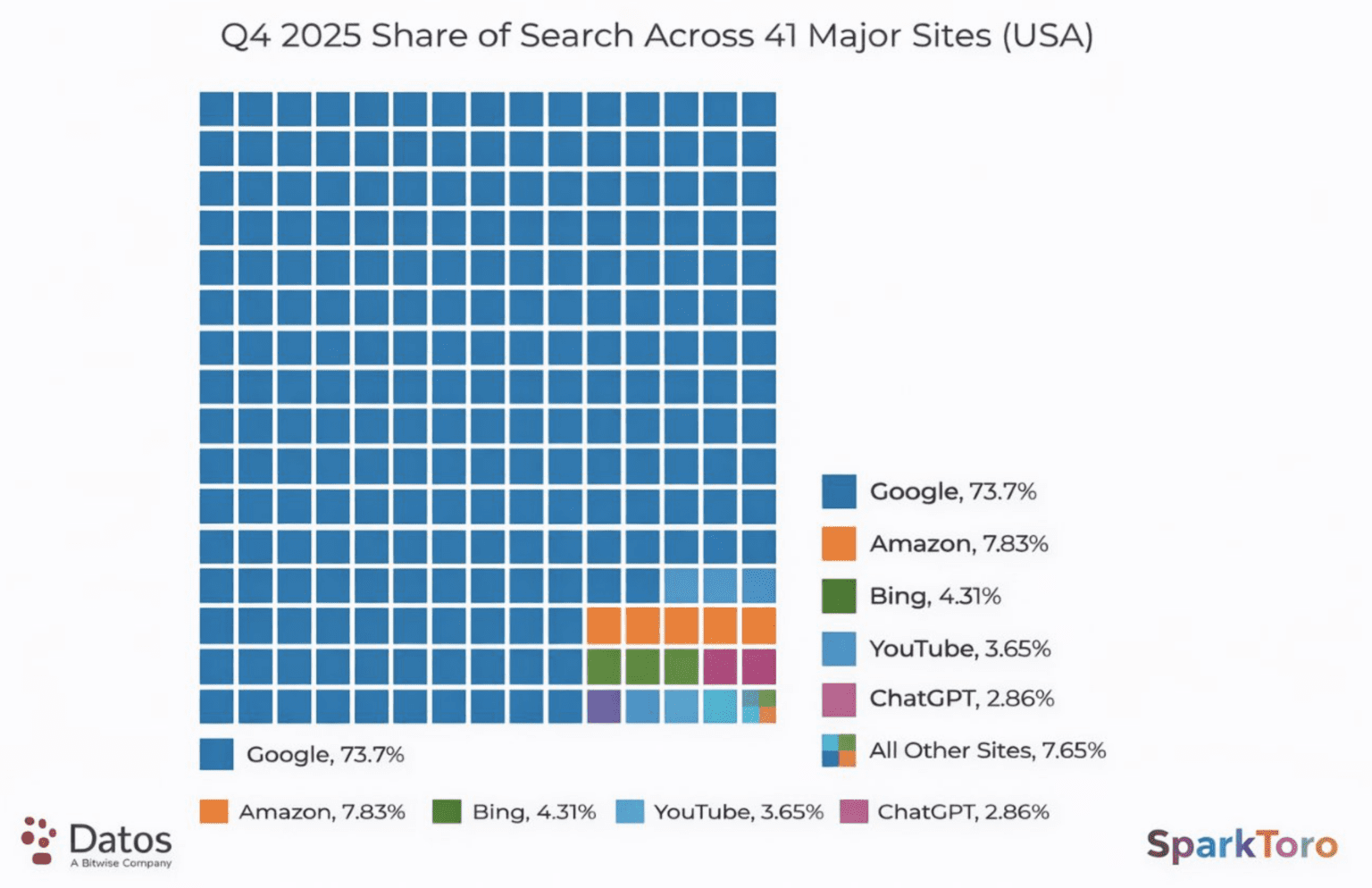
When people talk about LLMs, they picture ChatGPT. Maybe Perplexity. Maybe Claude or Gemini.
The most widely used AI system for discovery on the planet is Google. And millions of people using it every day have no idea they’re interacting with AI. Google AI Overviews are surfacing answers, synthesizing content, and deciding which sources to cite. Most users are just seeing “the answer.”
This reframes the whole conversation.
Getting your brand cited by AI systems isn’t some futuristic project. It’s what SEO has always been about, just with a different output.
Instead of a blue link, the output is a cited answer or a mention from the training data.
The brands that built strong SEO foundations years ago are now feeding AI models…
That’s the uncomfortable truth for anyone treating GEO like a separate discipline from SEO. They’re not separate. They’re the kind of the same game.
EXCEPT…
Most SEOs never took YouTube, Reddit, Medium, LinkedIn or low level guest blogging seriously until last month…
So…
Start there.
Why Distribution Determines Who Gets Cited
A G2 study found that enterprise executives are increasingly relying on LLMs to guide purchasing decisions. They’re not just using AI to summarize documents or write emails. They’re asking things like: “What’s the best project management software for a 200-person team?” and “Which CRM should we evaluate for our sales org?”
When that happens, the LLM doesn’t pull from your homepage. It pulls from wherever your brand has earned a footprint. The reviews. The community threads. The YouTube videos. The guest posts. The third-party mentions.
The question most brands should be asking: when AI talks about our category, does it say our name?
Distribution is what answers that question. Not just creating content. Putting it everywhere it needs to be. Earning presence across the platforms LLMs treat as trusted sources.
Here’s where to focus.
1. Reddit: One of the Most Powerful LLM Visibility Sources Alive
Reddit has spent years being underestimated by B2B marketers. That era is over.
Research from Profound and Reddit analyzed over 4 billion AI citations across ChatGPT, Google AI Overviews, Perplexity, and other major platforms. Reddit was the single most-cited domain, capturing 3.11% of all citations. That’s 45% more than YouTube and more than double Wikipedia. Reddit ranks #1 on Perplexity and #2 on ChatGPT, Google AI Overviews, and Grok.
At Foundation, we’ve been watching this play out for over three years. The reason isn’t mysterious. AI models treat Reddit as the “human layer.” They prioritize unfiltered, experience-driven conversations over marketing content. The algorithm seeks helpfulness over hype…
Niche subreddits like r/BuyItForLife regularly outrank official brand sites on the exact queries that matter.
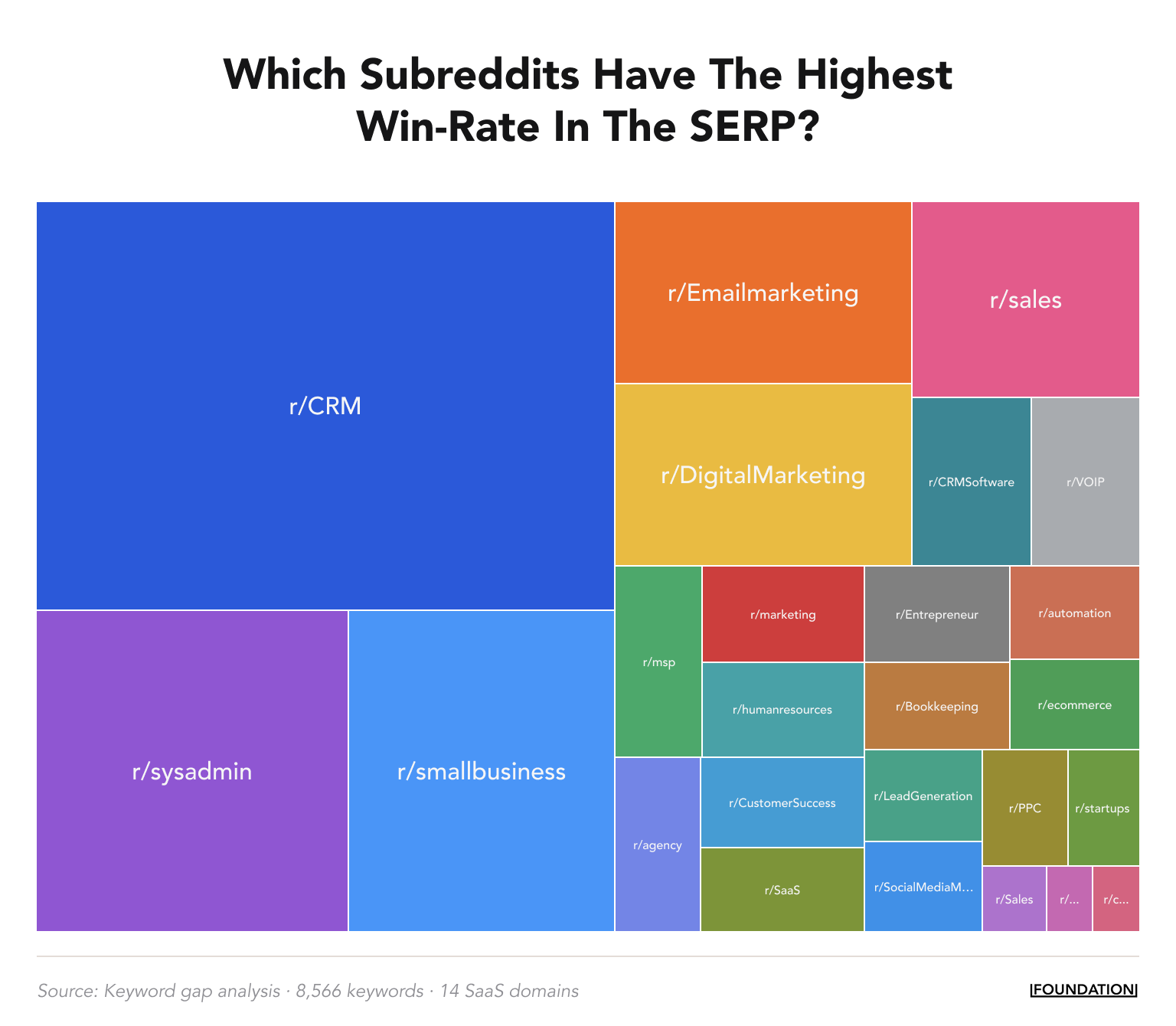
And it carries over into B2B SaaS as well. Here’s a few of the most highly ranked Subreddits in B2B SaaS:
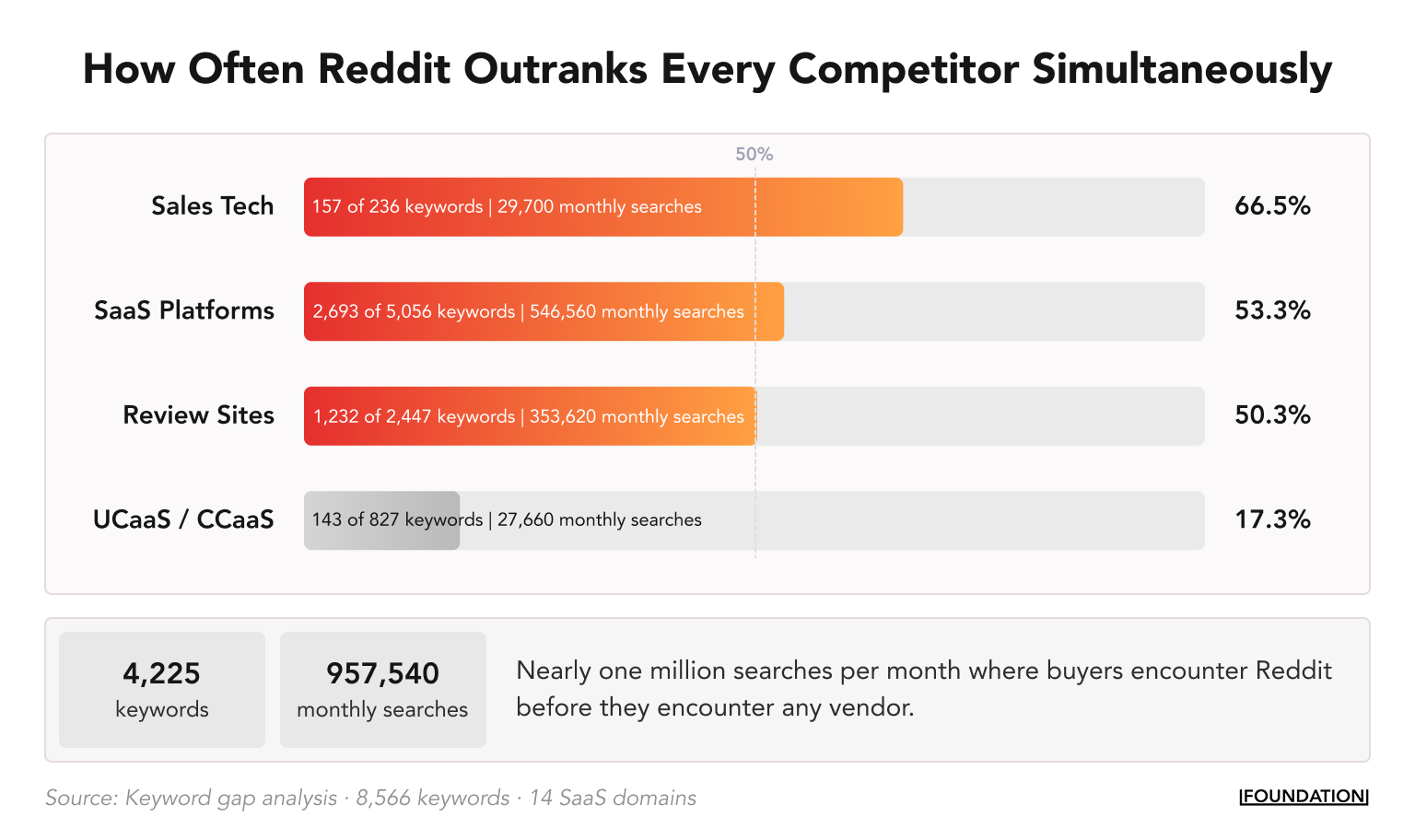
We analyzed 8,566 keywords across 14 major B2B SaaS domains to understand how Reddit stacks up against vendors head-to-head. Reddit is an absolute dominant force in most verticals.
The brands that fight back and win do so through one thing:
Deep, sustained content investment that earns top-10 rankings across hundreds of shared keywords or have an active presence on Reddit. Here’s my take on how to do that well:
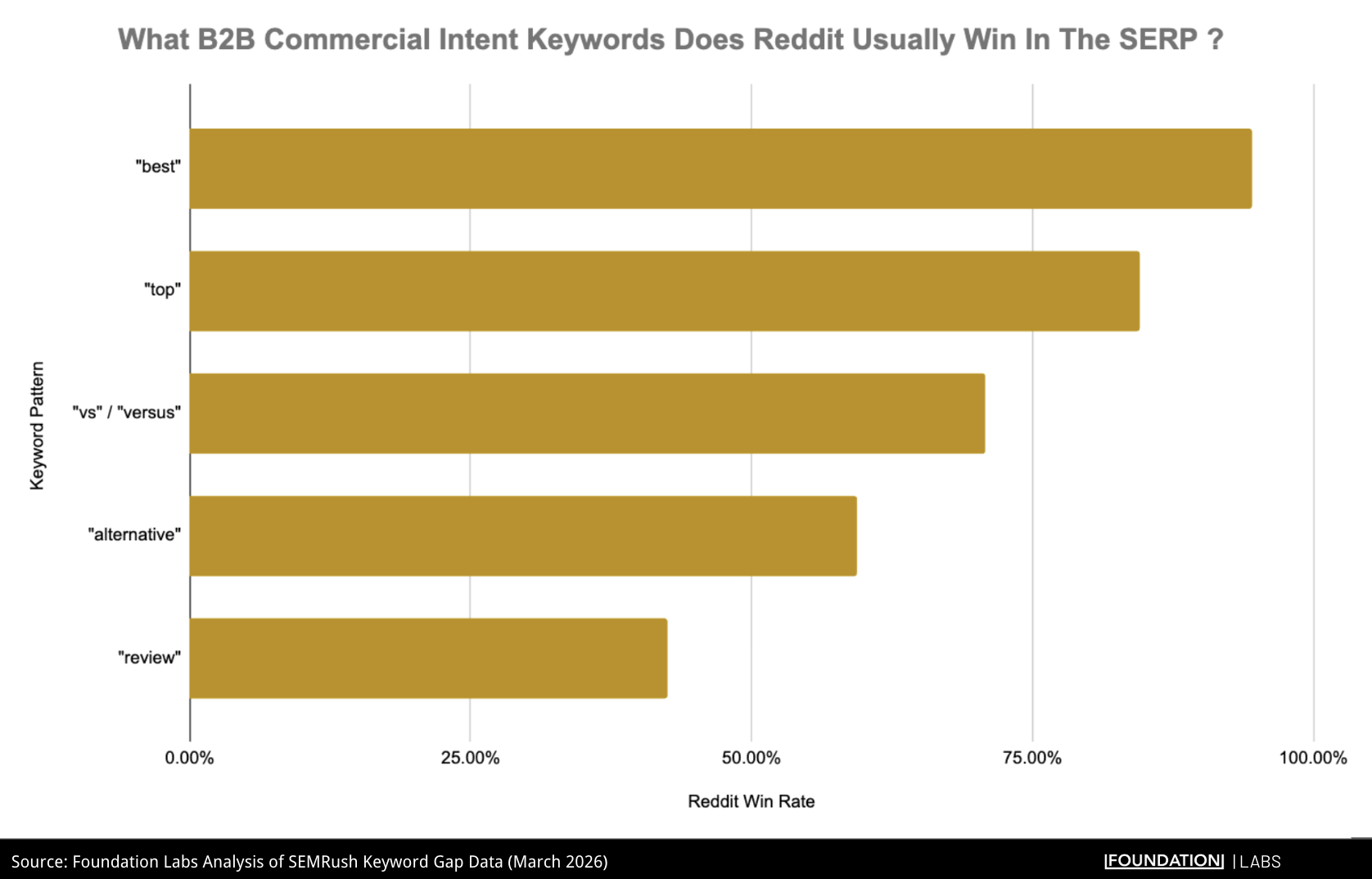
The numbers behind Reddit’s AI reach tell you everything. Reddit pages have been cited 5.3 million times by Google AI Overviews, 5.5 million times by Perplexity, and 4 million times by ChatGPT. Reddit also holds over 8,300 top-3 SERP positions for “best [software]” keywords, including 471 for “best CRM” alone.
Those are buyer-intent queries. The conversations on those pages are shaping what AI says about your category. Here’s a snapshot of the data:
72% of tech decision-makers use Reddit for peer reviews.
49% use it for product research. If your brand isn’t showing up authentically in those conversations, someone else’s brand is filling that vacuum.
Start in the niche subreddits where your buyers are already talking. Reverse engineer the post formats that earn real engagement. Show up consistently as a useful voice, not a billboard. This is a long-term investment. Treat it like one.
2. YouTube: The Citation Source That Just Overtook Reddit
For most of the past year, Reddit led the citation race. Then something shifted.
New data from Bluefish reveals that YouTube now appears as a cited source in 16% of LLM answers, compared to just 10% for Reddit. That’s a complete reversal from earlier in 2025.
The reason: LLMs previously struggled to extract information from video content. That problem is largely solved now. Transcripts, structured metadata, and the volume of educational content on YouTube have made it a powerhouse for AI citations. YouTube is already one of the most-cited sources across Gemini and Perplexity specifically.
Think about what happens when someone opens Google AI Mode or asks Perplexity a research question. They see a long-form AI answer with citations on the right-hand side. They see links to websites. And they see a YouTube video embedded directly in the middle of the answer.
That embedded video is someone’s brand. It should be yours.
Most B2B brands get YouTube wrong: they make product demos. Demos do not get cited. Educational videos that explain how to solve the problem your product solves do. Those videos also generate 8x more organic traffic than product demos, according to data we’ve been tracking.
The gap between YouTube’s growing influence and B2B investment in YouTube content is still enormous. That gap is the opportunity. It won’t last long.
3. Review Sites: Lower Citation Volume, Higher Trust Signal
Reddit and YouTube get the headlines. There’s a whole layer of platforms underneath that LLMs treat as high-trust sources, even if their raw citation numbers are smaller.
G2, Capterra, Trustpilot, Yelp, Clutch, Trustradius, Semrush Agency Pages, and similar review platforms all carry something most content marketing lacks: verified credibility. I recently saw a this post from Chris Long of Nectiv showing an example of recent Query Fan outs happening in ChatGPT:
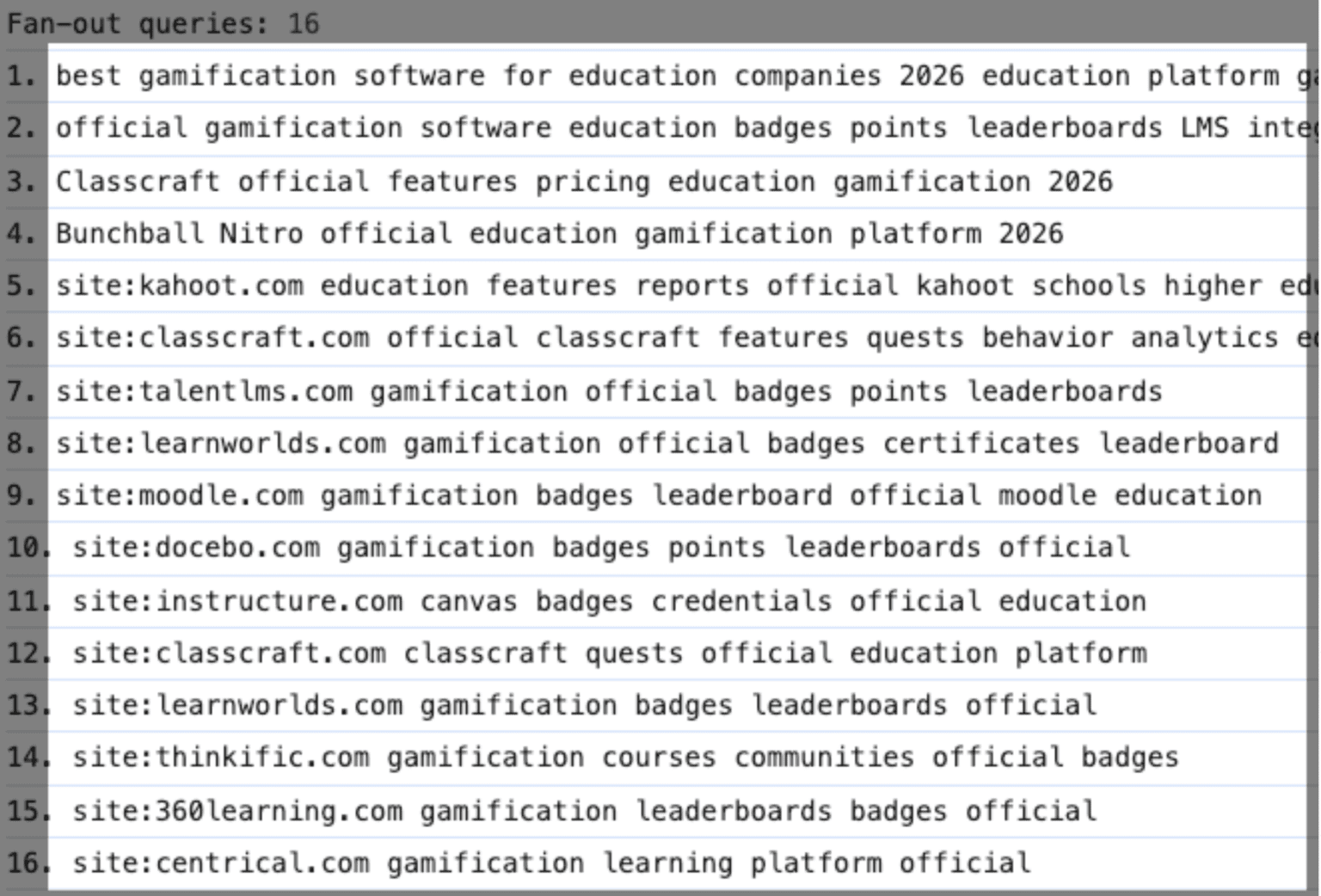
These platforms exist specifically to help buyers make decisions. LLMs weight these sources accordingly.
Your presence on these platforms influences what AI says about your brand when someone asks a comparison question. “Is Brand A or Brand B better for mid-market companies?” That kind of query pulls from review sites heavily. If your G2 profile is sparse, your Clutch reviews are old, or your Yelp profile is unclaimed, you’re leaving real signal on the table.
G2 has also integrated verified review data directly into Reddit Pro profiles. That’s not a coincidence. The structured review layer and the community trust layer are now formally connected. Strong presence across both compounds.
Go update your profiles. Get recent reviews from real customers. Fill out every field. This is unsexy work that most teams skip because it doesn’t feel like marketing. Do it anyway.
4. Offsite Mentions: The Distribution Play Most People Have Slept On
This is digital PR. I know that phrase makes some people’s eyes glaze over. Stay with me.
LLMs don’t just learn from the content you publish. They learn from what other people say about you. Guest posts on authoritative sites that reference your brand. Third-party articles that name you in a list of top solutions. Podcast transcripts where your methodology gets discussed. Press coverage that frames you as a category expert.
All of it feeds the model. All of it influences whether your brand comes up when someone asks an LLM to recommend a solution in your space.
The most under-executed play: reaching out to people who have already created content that’s influencing LLMs and getting your brand added to their “top X” lists. Thousands of articles are ranking today that list the top tools, agencies, platforms, and software in your category. Some of those articles are directly feeding AI answers. If your brand isn’t on those lists, you have a gap.
Find those articles. Reach out with a genuine case for why you belong. Offer something in return: updated data, a quote from your team, a co-promotion. This is the kind of distribution work that builds compounding returns over time.
The brands that figured this out early have a citation advantage that’s going to be hard to close.
The Distribution Stack for LLM Visibility
Getting cited by AI systems at scale is not about one tactic. It’s about stacking presence across every platform LLMs treat as a trusted source.
- SEO foundation — Content depth and domain authority still feed the models. Start here if you haven’t built this yet.
- Reddit presence — Show up in the communities where your buyers ask real questions. Earn upvotes. Stay consistent.
- YouTube content — Make educational videos that explain problems your product solves. Long-form, substantive, structured for discoverability.
- Review site profiles — G2, Capterra, Clutch, and every relevant review platform in your category. Recent reviews, complete profiles.
- Offsite mentions — Guest posts, digital PR, list inclusions, and third-party coverage that references your brand positively.
None of these things are new. The difference is that every one of these touchpoints now influences whether an AI system recommends you when a buyer asks a question.
The companies that understood distribution before it was cool are going to clean up in the AI era. The companies waking up to this now still have a real window.
That window closes a little more every month.
Get in the game.